Evaluating Winter Floral Frames and Clipart for Seasonal Design Projects
Seasonal design requires a delicate balance between thematic relevance and professional versatility. When sourcing assets for winter projects, designers and crafters often navigate a spectrum of options ranging from complex, pre-composed layouts to simple, isolated elements. Winter Floral Frames and Winter Clipart occupy a specific niche in this ecosystem, offering structured yet adaptable botanical imagery that bridges the gap between rigid templates and raw illustration. Understanding the distinct characteristics of these assets, particularly specialized sets like CA072 Winter White Florals, is essential for making informed procurement decisions that align with both aesthetic goals and technical requirements.
Distinguishing Characteristics of Winter Botanical Assets
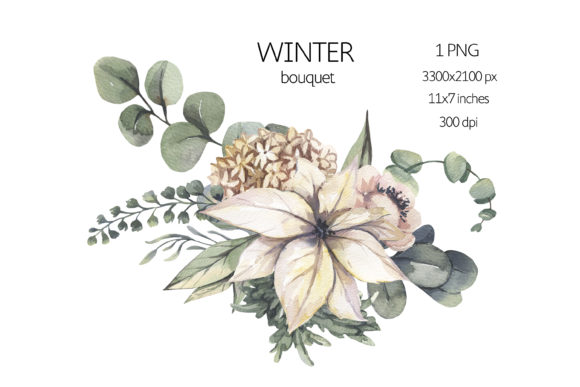
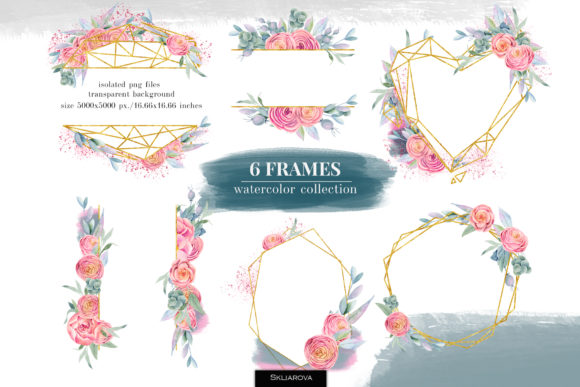
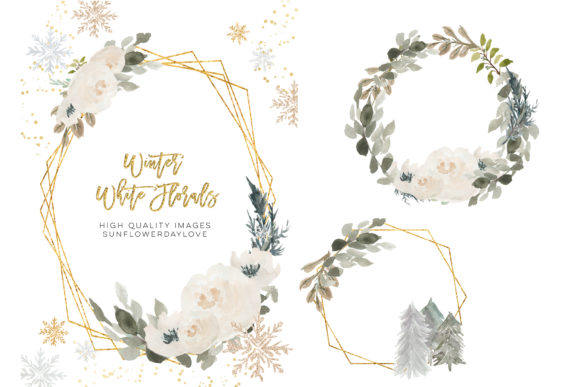
Winter Floral Frames differ significantly from generic floral clipart due to their compositional intent. While standard clipart often consists of singular blooms or leaves intended for scattering, frames are engineered with negative space as a primary feature. This structural difference dictates their utility. A high-quality winter frame serves as a container for content, whether that content is typography, photography, or product packaging. The "Winter White" aesthetic specifically addresses a common challenge in seasonal design: creating warmth and organic texture without relying on saturated reds or greens that can clash with modern branding or minimalist stationery.
The distinction also lies in the botanical accuracy and stylistic cohesion. Specialized collections typically maintain consistent lighting, line weight, and color grading across all elements. In contrast, assembling a custom frame from disparate free resources often results in visual dissonance where shadows fall in different directions or petal textures vary wildly. For professionals evaluating resources, this consistency reduces post-production time. When an asset pack includes 11 individual high-quality images designed to work in concert, the cognitive load of matching styles is removed, allowing focus to shift toward layout and messaging.
Technical Specifications and Print Viability
Resolution remains the most critical factor when comparing digital assets for physical applications. Many online marketplaces offer web-optimized graphics that fail when scaled for print. Assets specified at 300 dpi (dots per inch) represent the industry standard for offset and digital printing. This resolution ensures that fine details, such as the veining on a eucalyptus leaf or the frost texture on a berry, remain crisp rather than pixelated. For users planning merchandise, book covers, or art prints, verifying this specification is non-negotiable.
File format transparency is equally important. PNG files with true transparent backgrounds allow for seamless layering over colored papers, fabrics, or digital interfaces. Unlike JPEGs, which force a white box around the image, or vector files that may require specialized software to edit, high-resolution PNGs offer immediate compatibility with most design platforms, from Adobe Creative Cloud to Canva and Procreate. However, users should be aware that raster-based PNGs have scaling limits. While 300 dpi is excellent for standard sizes, enlarging a frame to billboard proportions may necessitate vector alternatives. Evaluating the intended output size before purchase prevents costly rework later in the production cycle.
Comparative Analysis: Curated Sets Versus Alternatives
When selecting winter florals, buyers typically weigh curated sets against three main alternatives: AI-generated imagery, subscription-based stock libraries, and hand-drawn custom commissions. Each approach carries distinct tradeoffs regarding cost, uniqueness, and workflow efficiency.
AI-Generated Imagery: Generative AI tools have democratized access to custom florals, but they present challenges for frame-based work. AI often struggles with coherent negative space and consistent anatomy across multiple generations. While useful for background textures, AI may lack the precise, clean edges required for professional framing or logo integration. Furthermore, copyright ambiguity surrounding AI art can pose risks for commercial merchandise or trademarked logos. Curated human-made sets provide clear licensing and intentional composition that AI currently cannot guarantee.
Subscription Stock Libraries: Large-scale stock sites offer volume, but finding cohesive winter white florals can be time-consuming. Search results often mix photographic and illustrative styles, requiring extensive filtering. A dedicated set like CA072 eliminates this search friction by providing a pre-vetted, stylistically unified collection. For designers who need specific, matching elements for a multi-piece campaign (e.g., invitations plus social media banners), a targeted pack often offers better value-per-useful-asset than a broad subscription.
Custom Commissions: Hiring an illustrator guarantees exclusivity and perfect alignment with brand identity. However, this route involves higher costs and longer lead times. For projects with tight deadlines or moderate budgets, high-quality clipart sets serve as a practical middle ground. They offer professional polish and commercial usability without the premium price tag of bespoke art. The decision here hinges on whether absolute uniqueness outweighs budget and timeline constraints.
Assessing Fit Across Diverse Applications
The versatility of Winter Floral Frames extends across digital and physical mediums, but suitability varies by application. Understanding where these assets excel—and where they may fall short—helps prevent mismatched expectations.
- Stationery and Invitations: This is the optimal use case. The inherent negative space in frames accommodates text hierarchy naturally. Winter white florals provide elegance without competing with ink colors, making them ideal for wedding suites, holiday cards, and planner goodies.
- Packaging and Merchandise: For product labels, candle wraps, or textile patterns, the 300 dpi resolution ensures print clarity. However, designers must consider bleed areas and safe zones. Raster frames may need edge extension if wrapping around curved surfaces, whereas vector patterns might handle continuous repeats more efficiently.
- Digital Banners and Social Media: While technically over-specified for screens, high-res PNGs allow for cropping and zooming without quality loss. The transparent background facilitates easy overlay on brand-colored templates. The limitation here is file size; large PNGs may slow website loading times, requiring compression or conversion to WebP formats for web deployment.
- Logos and Brand Identity: Caution is advised. While florals enhance seasonal branding, raster clipart should rarely form the core of a permanent logo mark due to scalability issues and potential licensing restrictions on trademarking. These assets work best as temporary seasonal modifiers or supporting graphic elements rather than primary logotypes.
Decision Factors for Resource Selection
Choosing the right winter floral resource involves evaluating more than just visual appeal. Practical considerations regarding licensing, workflow integration, and long-term utility should drive the final decision.
Licensing Clarity: Always verify usage rights. "Commercial use" definitions vary widely. Some licenses permit unlimited physical products but restrict digital resale or template creation. If your project involves selling items featuring the florals (e.g., printed stationery or fabric), ensure the license explicitly covers end-product sales. Transparent communication channels, such as the ability to message the creator directly, add a layer of security for complex licensing questions.
Cohesion vs. Variety: Consider whether your project demands uniformity or eclecticism. A set of 11 coordinated images supports systematic design systems where multiple touchpoints must feel connected. If your goal is a scrapbook page with diverse, eclectic elements, a mixed-media bundle might be preferable. However, for professional outputs like book covers or branded packaging, cohesion typically signals higher quality and intentionality.
Editing Flexibility: Assess your own technical capabilities. Pre-colored winter white florals are convenient but fixed. If you anticipate needing to adjust hues to match specific Pantone colors, verify whether the provider offers layered PSD files or uncolored line art versions. Standard PNGs are excellent for drag-and-drop workflows but limit color manipulation to overlays and blend modes. Matching the asset format to your editing proficiency prevents frustration during execution.
Navigating Limitations and Best Practices
No single asset type solves every design problem. Winter Floral Frames and Clipart have inherent limitations that users must manage. As raster images, they do not scale infinitely; excessive enlargement reveals pixelation. They are also static compositions; unlike modular vector kits, rearranging individual petals or stems within a pre-rendered frame is difficult. Users requiring dynamic, resizable components should supplement these assets with vector elements or seek modular kits instead.
Additionally, the "winter white" palette, while versatile, may lack sufficient contrast on light backgrounds. Designers working with white paper or pale digital themes should plan for shadow additions or background tinting to ensure visibility. Testing assets in the actual production environment before committing to large print runs or finalizing digital layouts mitigates these risks.
Ultimately, the value of resources like CA072 Winter White Florals lies in their specificity. They solve a particular problem: providing elegant, seasonally appropriate structure for content-heavy designs. By understanding their technical parameters, comparative advantages, and ideal applications, designers can integrate these assets effectively, ensuring that the final output resonates with audiences while maintaining professional standards. Whether enhancing a holiday invitation or elevating product packaging, informed selection transforms simple clipart into a strategic design component.