Evaluating Floral Boxes and Frames for Professional Design Projects
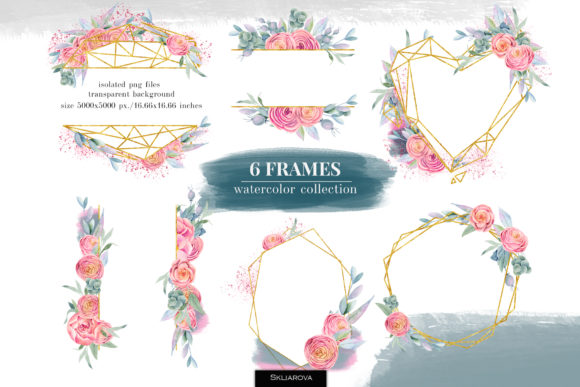
Selecting the right graphical assets for wedding stationery, cosmetic packaging, or textile design requires balancing aesthetic appeal with technical precision. When researching decorative elements, designers and DIY enthusiasts often encounter a wide spectrum of options ranging from free stock vectors to premium hand-painted illustrations. The specific category of Floral Boxes and Frames occupies a distinct niche within this landscape, particularly when the asset set includes high-resolution specifications such as 5000x5000 px dimensions at 300 DPI. Understanding the practical value of these parameters is essential for determining whether this specific type of golden geometrical floral frame set aligns with your project requirements compared to standard alternatives.
Technical Specifications Versus Standard Market Options
The primary differentiator for professional-grade floral frames is resolution. Many readily available digital assets are optimized for web use, typically offering resolutions between 72 and 96 DPI with pixel dimensions rarely exceeding 2000px. While sufficient for social media graphics or small digital invitations, these lower-spec files often fail when applied to physical products. In contrast, a set featuring 5000x5000 px files at 300 DPI provides a print area of approximately 16.66 x 16.66 inches without interpolation. This distinction is critical for users evaluating resources for large-format printing, such as banners, posters, or fabric design.
When comparing this specification to vector-based alternatives, tradeoffs become apparent. Vectors offer infinite scalability but often lack the organic texture and lighting nuances found in high-resolution raster illustrations. A 300 DPI PNG file preserves the brushwork, gold foil effects, and botanical details that define the "golden geometrical" aesthetic. For projects where the tactile quality of the illustration matters as much as the shape, high-DPI raster files often outperform clean but sterile vector graphics. However, if you require resizing beyond 16 inches or need to alter individual petal colors, the fixed nature of a PNG becomes a limitation compared to editable vector formats.
Format Flexibility: Transparent PNGs vs. Layered Files
This specific asset configuration utilizes transparent background PNGs. For many designers, this format represents the optimal middle ground between usability and file integrity. Unlike JPEGs, which introduce compression artifacts and force a solid white background, transparent PNGs allow for seamless integration over colored cardstock, textured linen backgrounds, or product photography. When designing cosmetic labels or wedding invitations, the ability to drop a frame directly onto a layout without masking or erasing backgrounds significantly reduces production time.
However, it is important to recognize what this format excludes. Transparent PNGs are flattened images. If your workflow requires adjusting the position of individual flowers, changing the hue of the gold elements, or removing specific geometric lines, this set will not suffice. Users requiring deep customization should prioritize layered PSD or AI files over pre-rendered PNGs. The decision ultimately rests on whether you need a finished compositional element or a customizable kit. For rapid prototyping and consistent branding across multiple touchpoints—from website headers to T-shirt prints—the efficiency of a high-quality transparent PNG usually outweighs the flexibility of layered source files.
Aesthetic Fit: Golden Geometrical Styles in Context
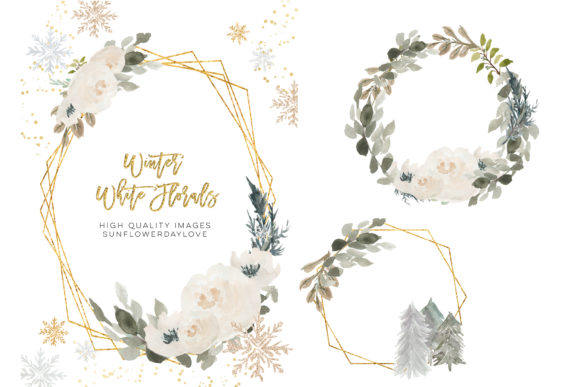
The visual language of golden geometrical floral frames combines structured Art Deco influences with organic botanical softness. This hybrid style serves specific market segments better than others. When evaluating this aesthetic against purely vintage florals or modern minimalist line art, consider the emotional tone of your project. Purely vintage styles can sometimes appear dated or overly rustic, while strict minimalism may feel cold for celebratory events. The golden geometrical approach bridges this gap, offering elegance suitable for luxury weddings, high-end cosmetic packaging, and sophisticated event branding.
Color compatibility is another evaluation factor. Gold tones rendered in RGB color space present unique challenges and opportunities. RGB is ideal for digital displays and offers a vibrant luminance that CMYK cannot replicate on screen. For website design, digital invitations, and social media content, RGB golden frames appear rich and glowing. However, if your primary end-use is offset printing, be aware that RGB gold translates to yellow-brown ink unless specifically adjusted for CMYK or printed with metallic spot inks. Users focused exclusively on physical print products should verify their printer’s capabilities or convert files to CMYK prior to production to ensure the "gold" effect remains intentional rather than muddy.
Application Suitability Across Different Media
Versatility is frequently cited as a benefit of comprehensive frame sets, but practical application varies by medium. Evaluating this 6-piece set requires matching the asset strengths to specific use cases:
- Wedding Stationery and Invitations: The 16.66-inch size accommodates standard invitation sizes (5x7 or A5) with ample bleed room. The transparency allows for layering over vellum or colored paper stocks.
- Cosmetic Product Design: High resolution ensures crisp edges on small labels. The geometric structure provides natural negative space for typography, unlike dense all-over floral patterns that compete with text.
- Textile and Apparel: For T-shirts and backpacks, the 300 DPI resolution supports direct-to-garment (DTG) printing. The distinct border definition works well as a central chest graphic or back print, whereas softer watercolor frames might lose definition on fabric weaves.
- Web and Digital Banners: While 5000px is excessive for web display, starting with a master file of this size allows for future-proofing. You can downscale for current website needs while retaining the original for potential large-format advertising or retina-display optimization.
Conversely, this style may be less suitable for children’s party themes, corporate tech branding, or projects requiring dark-mode optimization where gold-on-transparent can lose contrast. Recognizing these boundaries prevents purchasing assets that look beautiful in preview but fail in context.
Cost-Benefit Analysis of Curated Sets vs. Individual Assets
When sourcing design elements, buyers typically choose between purchasing individual frames, subscribing to stock libraries, or acquiring curated thematic sets. A set containing six coordinated golden geometrical frames offers specific economic and creative advantages over disparate sourcing. Consistency is the primary value driver. Sourcing six separate gold frames from different artists often results in mismatched lighting, inconsistent stroke weights, and clashing gold tones. A unified set guarantees that your invitation suite, website, and merchandise share a cohesive visual identity.
From a licensing perspective, curated sets often provide broader commercial usage rights for a single fee compared to per-item stock purchases. For small business owners creating product lines or freelance designers managing multiple client deliverables, this bundled approach simplifies asset management. However, subscription services may be more cost-effective if you only need one or two frames for a single project and do not require ownership of the files. Evaluate your long-term needs: if you anticipate recurring projects in the luxury or celebratory niche, owning a high-resolution master set eliminates recurring licensing costs and dependency on platform availability.
Making the Final Selection Decision
Determining whether this specific Floral Boxes and Frames collection is the right investment involves a checklist of technical and aesthetic requirements. Choose this option if your project demands print-ready resolution at 300 DPI, you value the efficiency of transparent PNGs over layered customization, and the golden geometrical aesthetic aligns with a luxury or celebratory brand identity. It is particularly strong for mixed-media campaigns spanning both digital and physical touchpoints where consistency is paramount.
Seek alternatives if you require vector scalability for billboards, need to edit individual floral elements, work exclusively in CMYK for offset printing without conversion capability, or prefer a non-metallic color palette. By objectively weighing these factors against the specific attributes of the 5000x5000 px RGB set, you can make an informed resource selection that supports both your creative vision and technical production standards. The goal is not merely to acquire a pretty image, but to secure a functional design tool that withstands the rigors of professional application across diverse media formats.