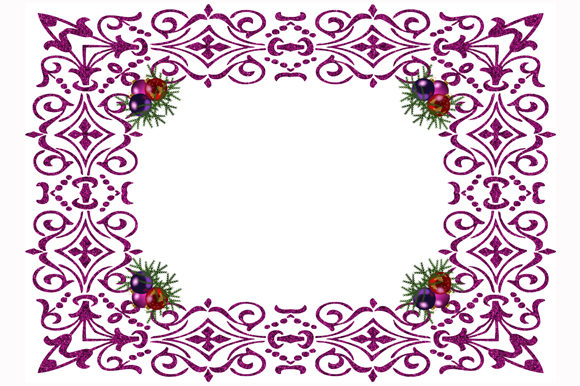
Evaluating the Christmas Background Floral Frame Flower for Creative Projects
Selecting the right visual assets for holiday projects requires balancing aesthetic appeal with technical suitability. The Christmas Background Floral Frame Flower is a specific design category that merges traditional botanical elements with festive framing structures. For creators evaluating this asset for upcoming seasonal work, understanding its functional applications, technical specifications, and limitations is essential for making an informed purchasing or usage decision. This evaluation focuses on how this specific design style performs across various mediums, from apparel to digital content, and helps determine if it aligns with specific project requirements.
Defining the Design Aesthetic and Utility
The Christmas Background Floral Frame Flower typically features a centralized negative space surrounded by seasonal botanicals such as poinsettias, holly, pine needles, or winter berries. Unlike full-coverage patterns, this design prioritizes a border or frame structure, leaving the center open for text, photography, or personalized messaging. This architectural approach to graphic design makes it distinct from standard seamless repeats or standalone illustrations.
When evaluating this asset, it is important to recognize that its primary utility lies in its versatility as a container for other content. The floral elements serve as a decorative boundary that establishes a festive tone without overwhelming the focal point of the project. This makes the Christmas Background Floral Frame Flower particularly relevant for users who need to overlay variable information, such as names on greeting cards or dates on invitation cards, while maintaining a cohesive holiday theme.
Assessing Suitability Across Diverse Mediums
A critical factor in selecting digital design assets is cross-platform compatibility. This specific background design is marketed for a wide array of applications, but practical performance varies by medium. Understanding where this design excels versus where it may face challenges allows for better resource allocation.
Print and Paper Goods
For physical products like custom scrapbook layouts, albums, photo books, and junk journals, the frame structure provides immediate organizational value. In scrapbooking, the floral border can define a page layout without requiring complex layering. For recipe cards and note cards, the central white or negative space offers high contrast for handwriting or printed text. When used for candy wrappers and jar labels, the design’s ability to wrap around or frame small surface areas makes it highly functional. However, users should verify the resolution of the provided JPEG to ensure crisp printing at smaller scales, as intricate floral details can sometimes blur if the source file lacks sufficient pixel density.
Apparel and Sublimation
The application of this design for T-shirts and stretch garments introduces specific technical considerations. While suitable for sublimation designs, the nature of a framed background on fabric differs significantly from paper. On stretch garments, the rigidity of a detailed floral frame can sometimes conflict with the drape of the fabric. Users must consider placement; a large, dense frame across the chest may feel heavy or crack over time if not printed with flexible inks. Conversely, when used as a smaller pocket-sized frame or a back print, the Christmas Background Floral Frame Flower adapts well to textile surfaces. For sublimation specifically, the color vibrancy of the florals will depend heavily on the polyester content of the garment and the color profile of the JPEG file.
Digital and Social Media Applications
For social media posting, blogs, and digital planners, this design serves as an effective template. The pre-defined frame reduces the time spent on layout design, allowing content creators to focus on messaging. In digital planners, these frames can function as recurring headers or section dividers. The tradeoff in digital contexts is aspect ratio; a square JPEG frame may require cropping or resizing for Instagram Stories or blog banners, potentially cutting off floral elements. Evaluators should check if the composition allows for safe cropping zones before committing to the asset for multi-platform digital use.
Technical Specifications and File Format Considerations
This design is delivered in a zipped folder containing a single JPEG file. This specification carries significant weight in the decision-making process. JPEG is a raster format, meaning it is composed of pixels rather than vectors. This has direct implications for scalability and editing.
- Resolution Dependency: Unlike vector files (SVG/EPS), a JPEG cannot be resized infinitely without quality loss. Users intending to use this for large-format wall decors must confirm the pixel dimensions meet the required DPI (typically 300 DPI at final print size) before purchase.
- Background Transparency: Standard JPEGs do not support transparency. If the Christmas Background Floral Frame Flower has a solid white or colored background, removing it to place the frame over a different colored shirt or patterned paper will require additional editing software and skill. Users seeking instant drag-and-drop transparency should verify if the background is already removed or easily extractable.
- Color Profile: JPEGs intended for web use are often in RGB color space, while print requires CMYK. Using an RGB JPEG for professional printing may result in color shifts, particularly in vibrant reds and greens common in floral holiday designs. Home printers generally handle RGB well, but commercial print shops may require conversion.
The absence of watermarks in the downloaded file is a standard expectation for commercial-use assets, ensuring the final product looks professional. However, buyers should always review the specific licensing terms included in the zip file to confirm whether the usage rights cover commercial sale of finished goods versus personal use only.
Weighing Tradeoffs Against Alternatives
While the Christmas Background Floral Frame Flower offers broad applicability, it is not universally the optimal choice. Recognizing when to select alternatives prevents wasted budget and creative frustration.
When This Design is a Strong Fit: This asset is ideal for creators who prioritize speed and traditional aesthetics. If the goal is to produce a consistent series of greeting cards, gift bags, or social media templates with minimal customization, the pre-composed frame is efficient. It is also well-suited for those working primarily in raster-based software like Photoshop or Procreate, or for home crafters using standard inkjet printers and sublimation setups.
When to Consider Alternatives: If the project requires frequent resizing (e.g., using the same design for a business card and a billboard), a vector-based alternative is superior. Similarly, if the user needs to change the color of individual flowers to match a specific brand palette, a layered PSD or SVG would offer more control than a flattened JPEG. Additionally, for high-end commercial apparel production, all-over print patterns might be preferable to a centered frame to avoid alignment issues during manufacturing.
Making the Final Selection Decision
Ultimately, the decision to utilize this Christmas Background Floral Frame Flower should be based on a clear alignment between the file’s technical reality and the project’s end goal. Users should ask three key questions before proceeding: Does the JPEG resolution support my largest intended print size? Am I equipped to handle a non-transparent raster file if layering is required? Does the traditional floral aesthetic match the tone of my target audience?
By objectively evaluating these factors rather than relying solely on the visual preview, creators can ensure the asset delivers practical value. Whether used for intimate family photo books, retail sticker sheets, or festive wall decors, success depends on matching the tool to the task. This balanced assessment ensures that the chosen design enhances the creative workflow rather than complicating it, leading to professional results across all intended applications.