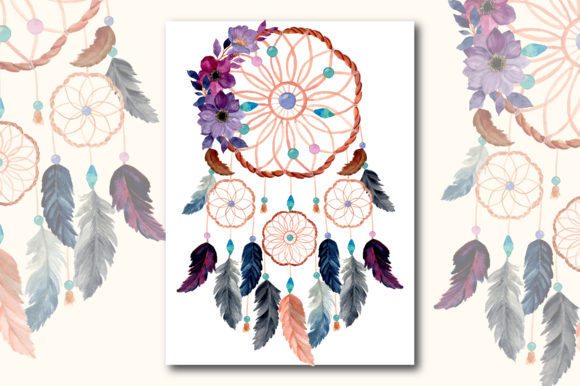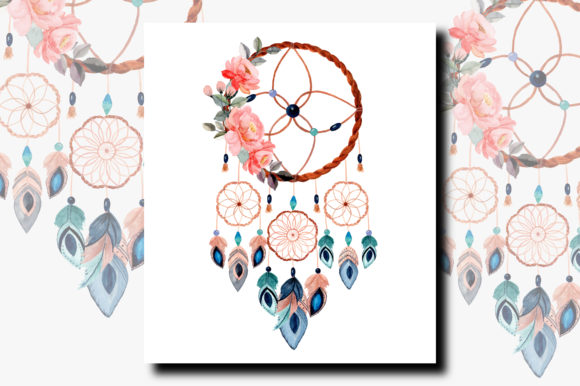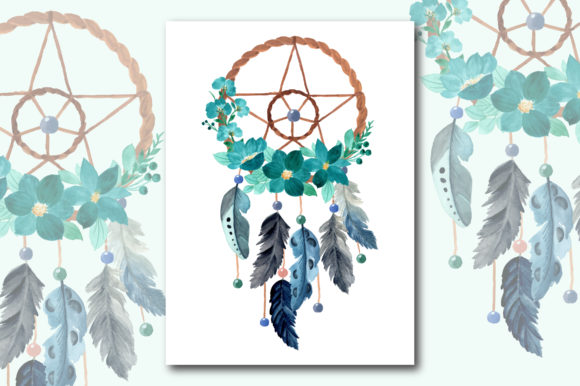
Watercolor Dream Catcher Floral Design Assets
Elevating a creative project often comes down to selecting imagery that balances artistic expression with technical precision, and the Watercolor Dream Catcher with Floral 10 asset delivers exactly that versatility for modern designers. Whether you are developing a bohemian brand identity or crafting delicate social media graphics, having access to high-resolution, hand-drawn elements is essential for maintaining professional quality. This specific clipart resource provides both JPG and PNG formats at 4800×5600 pixels and 300 dpi, ensuring that your visual design remains crisp across digital screens and print materials alike.
The Role of Hand-Drawn Elements in Visual Communication
In an era dominated by minimalist vector art and AI-generated imagery, authentic hand-drawn aesthetics offer a unique tactile quality that resonates deeply with audiences. The Watercolor Dream Catcher with Floral 10 serves as more than just decoration; it acts as a visual anchor that conveys warmth, creativity, and organic beauty. For graphic designers, integrating such textured elements helps soften rigid layouts and adds emotional depth to branding projects. The transparent PNG background is particularly valuable here, allowing for seamless layering over complex color palettes or typography without the need for tedious masking or editing.
Technical Specifications for Professional Workflows
Understanding file specifications is crucial for maintaining integrity in your design workflow. This asset’s 300 dpi resolution meets industry standards for high-quality print design, including packaging, editorial spreads, and merchandise. Simultaneously, the large pixel dimensions provide ample room for cropping and resizing in web design and UI projects without suffering from pixelation. When evaluating creative assets, always prioritize this level of detail to ensure scalability. A low-resolution image might suffice for a quick mockup, but only premium files like this support a polished final deliverable that withstands client scrutiny and production requirements.
Practical Applications Across Design Disciplines
Versatility is the hallmark of a strong design asset library. This floral dream catcher illustration adapts effectively to numerous creative contexts, enhancing both aesthetics and communication goals:
- Brand Identity and Logo Design: Use the floral motifs as secondary brand marks or background textures to reinforce a boutique or wellness aesthetic.
- Packaging Design: Apply the high-res JPG to product labels, boxes, or tissue paper to create an unboxing experience that feels artisanal and premium.
- Social Media Graphics: Utilize the transparent PNG to frame quotes, announce sales, or add visual interest to Instagram stories without obscuring key text.
- Editorial and Web Layouts: Break up dense text blocks in blogs or magazines with organic imagery that improves readability and user engagement.
- Merchandise and Apparel: The detailed watercolor texture translates beautifully to t-shirts, tote bags, and stationery, supporting diverse revenue streams for creators.
Integrating Imagery with Typography and Composition
Successful visual hierarchy relies on the harmonious relationship between imagery and type. When incorporating the Watercolor Dream Catcher with Floral 10, consider how its organic lines interact with your chosen fonts. Serif typefaces often complement the traditional, hand-painted feel of watercolor, while clean sans-serifs can create a striking modern contrast. Pay close attention to negative space; the intricate details of the dream catcher require breathing room to avoid visual clutter. In UX design, ensure that such decorative elements guide the eye toward calls-to-action rather than distracting from them. Consistency in color grading between the clipart and your overall brand system is also vital for maintaining a cohesive professional presentation.
Selecting and Evaluating Creative Assets
When building a resource library, look beyond immediate aesthetic appeal and assess long-term usability. High-quality assets should solve design problems, not create them. Verify that colors are consistent with current design trends and that the style aligns with your target audience's expectations. For this specific floral dream catcher, evaluate how the watercolor washes interact with different backgrounds. Test the transparency in various lighting conditions if designing for digital interfaces. Thoughtful selection ensures that every element contributes meaningfully to the narrative, transforming generic templates into distinctive, memorable communications that elevate both the designer’s portfolio and the client’s brand.