Floral Set Design: Elevating Visual Storytelling Across Digital and Physical Spaces
When we talk about floral set design in the context of modern media, we are rarely discussing a simple vase of roses on a table. Instead, we are looking at a sophisticated visual language where botanical elements serve as the primary architectural and atmospheric framework for a scene. Whether rendered digitally as high-fidelity illustrations or constructed physically for photography and video, this design discipline transforms flowers from mere decoration into functional narrative devices. For creators, marketers, and event planners, understanding how to leverage these assets is about more than aesthetics; it is about communicating emotion, establishing brand identity, and guiding viewer attention without saying a word.
Beyond Decoration: The Functional Role of Botanical Assets
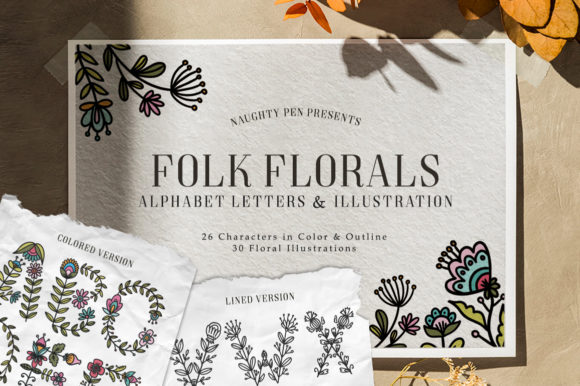
In web and app development, floral set design illustrations often solve specific user interface challenges that geometric shapes or solid colors cannot address. A common pain point in digital product design is creating a sense of warmth or organic flow within a rigid grid system. Hand-drawn or vector-based floral sets provide natural leading lines that direct the user’s eye toward call-to-action buttons or key content areas without feeling aggressive. Unlike stock photography, which can feel generic, custom floral set design allows for negative space integration directly into the artwork. This means text overlays remain legible, and the illustration adapts responsively to different screen sizes without cropping out essential visual information.
For mobile applications specifically, these illustrations serve as excellent onboarding visuals or empty states. When a user has no data to display, a stark white screen feels broken. A soft, thematic floral composition maintains engagement and reinforces the app’s personality during moments of low activity. The versatility of these assets lies in their modularity; designers can separate individual stems, leaves, and blooms to create borders, dividers, or background textures that feel cohesive rather than repetitive.
Commercial Photography and Product Staging
The transition from digital screens to physical or hybrid sets reveals another layer of utility. In e-commerce and editorial photography, floral set design acts as a contextual anchor. Consider a skincare brand launching a new hydrating serum. Placing the bottle against a plain white background communicates sterility, but surrounding it with dewy ferns, translucent petals, and moss creates an immediate sensory association with moisture and nature. This is not just styling; it is visual shorthand for product benefits.
Photographers and art directors benefit from pre-planned floral set designs because they reduce on-set decision fatigue. Having a cohesive illustration or mood board that dictates color grading, flower variety, and spatial arrangement before the shoot begins saves hours of styling time. It ensures that the final images align with the broader campaign aesthetic. Furthermore, when using digital floral illustrations as backdrops for product compositing, brands can achieve high-end editorial looks without the logistical nightmare of sourcing perishable goods, managing water damage, or worrying about wilting under hot studio lights.
Event Branding and Immersive Environments
For event planners and experience designers, floral set design bridges the gap between temporary installations and lasting digital memories. Modern events are hybrid experiences; the physical backdrop must look spectacular in person while also functioning as a perfect frame for social media content. Large-scale floral illustrations used on banners, step-and-repeats, and digital signage provide consistency across touchpoints. A wedding stationery suite featuring a specific floral set design can be scaled up to create the altar backdrop, printed on menu cards, and animated for the couple’s website. This cross-platform application maximizes the return on investment for custom artwork.
In corporate settings, these designs soften the often sterile atmosphere of conferences and trade shows. A tech company might use stylized, futuristic floral set design to humanize their booth, suggesting innovation rooted in organic growth. The key here is customization; the botanical elements should reflect the industry's values. Sharp, structural succulents might suit an architecture firm, while flowing peonies and wisteria better serve a wellness retreat. Understanding this semiotic difference prevents the design from feeling like a generic template.
Practical Considerations Before Implementation
Before integrating floral set design into a project, several practical factors determine success. Resolution and format flexibility are paramount. If you are commissioning or purchasing assets for web and print, ensure the source files are available in both raster (high-DPI PNG/JPG) and vector (SVG/AI) formats. Vector files allow for infinite scaling for large-format banners without pixelation, while optimized raster files keep web load times fast. Always verify the color profile; RGB is necessary for screens, but CMYK versions are required if you intend to print physical posters or packaging to avoid muddy color shifts.
Licensing is another critical consideration that is often overlooked until legal issues arise. Clarify whether the floral set design is licensed for commercial use, editorial use only, or exclusive rights. If you are building a template for resale or a widely distributed app, standard licenses may not suffice. Additionally, consider the cultural connotations of specific flowers included in the set. While a lily might symbolize purity in one culture, it could represent mourning in another. Conducting a quick cultural audit ensures your beautiful design doesn't inadvertently alienate your target audience.
Navigating Style Trends vs. Timeless Appeal
There is a tension in floral set design between trending aesthetics and enduring relevance. Currently, we see a surge in "dark academia" botanicals, vintage scientific illustrations, and hyper-saturated 3D renders. While these styles capture immediate attention on social feeds, they can date a project quickly. For evergreen content like corporate branding or wedding websites, opting for slightly more stylized or abstracted floral forms often yields better long-term results. Abstract florals focus on shape and color theory rather than botanical accuracy, allowing them to transcend seasonal trends.
However, trend-forward designs have their place in short-term campaigns. A summer sale banner benefits immensely from bright, trendy hibiscus or sunflower motifs that signal immediacy and seasonality. The strategy lies in layering: use timeless structural elements for the core brand identity and overlay trendy floral accents for seasonal campaigns. This approach keeps the visual language fresh without requiring a complete rebrand every quarter.
Technical Integration for Non-Designers
You do not need to be a professional illustrator to utilize floral set design effectively, but you do need to understand composition basics. When applying these assets to posters or banners, avoid centering the floral elements unless symmetry is intentional. Asymmetrical placement creates dynamic energy and leaves room for typography. Pay attention to contrast; dark text requires light floral backgrounds, and vice versa. If the illustration is too busy, apply a subtle overlay or blur effect to push it into the background, ensuring your message remains the focal point.
For those using AI-generated floral sets, be mindful of anatomical inconsistencies. While AI can produce stunning concepts, it often struggles with petal counts and stem logic. These errors can distract keen-eyed viewers and undermine perceived quality. Using AI as a starting point for inspiration or as a base layer for manual refinement is often more effective than relying on raw outputs for final production. Alternatively, collaborating with human illustrators guarantees intentionality and botanical coherence that algorithms currently cannot replicate.
Maximizing ROI Through Asset Repurposing
The true value of investing in high-quality floral set design emerges through strategic repurposing. A single comprehensive set containing full arrangements, individual sprigs, and texture patterns can fuel months of content creation. The full arrangement serves as the hero image for a landing page. Isolated sprigs become email newsletter headers or Instagram story stickers. Texture patterns transform into website backgrounds or packaging tissue paper. By viewing the floral set not as a single image but as a modular design system, businesses and creators can maintain visual consistency across diverse channels while significantly reducing production costs per asset.
Ultimately, successful floral set design is invisible in its effort. It should feel like a natural extension of the brand or story being told, enhancing the user experience without demanding attention for its own sake. Whether you are designing an app interface, staging a product shoot, or planning an immersive event, the goal remains the same: to use the organic beauty of botanical forms to create connection, clarity, and emotional resonance in an increasingly digital world.