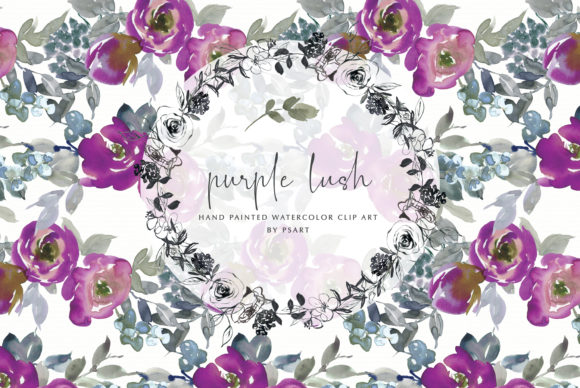
Christmas with Floral Illustration: Creative Design Guide
The intersection of traditional holiday imagery and botanical art offers a sophisticated alternative to standard seasonal graphics. A Christmas with floral illustration approach moves beyond generic clip art, providing designers and content creators with organic textures that feel both timeless and contemporary. This aesthetic combines the structured symbolism of the holidays with the delicate, natural lines of florals, creating visual assets that resonate with audiences seeking warmth and authenticity. Whether you are designing packaging for a small business or curating a social media feed, understanding how to leverage these assets effectively can elevate your seasonal projects from decorative to impactful.
Defining the Botanical Holiday Aesthetic
At its core, this design style integrates specific seasonal flora—holly, poinsettia, mistletoe, pine branches, and amaryllis—into festive compositions. However, the utility lies in the execution. Unlike cartoonish renditions, professional floral illustrations often utilize watercolor textures, fine line work, or vintage engraving styles. This nuance allows the artwork to function across diverse mediums without losing legibility or charm. The appeal for modern creators is versatility; a well-crafted floral element can serve as a subtle background texture on a website or a bold focal point on product packaging. It bridges the gap between rustic tradition and modern minimalism, making it an essential asset for brands targeting adults who appreciate refined seasonal decor.
Selecting the Right File Format for Your Workflow
Professional results depend heavily on using the correct file type for the specific application. When downloading or purchasing a Christmas with floral illustration bundle, ensuring access to multiple formats is non-negotiable for maintaining quality across print and digital platforms.
- AI (Adobe Illustrator): This vector source file is essential for scalability. If you need to resize a holly border for a billboard or shrink it for a business card, the AI file ensures crisp edges without pixelation. It also allows you to recolor elements to match specific brand palettes or separate individual flowers from a larger composition.
- EPS (Encapsulated PostScript): A universal vector format compatible with most design software beyond Adobe. EPS files are ideal for sharing assets with printers or collaborators who may use different tools. They retain editability and scale, making them the industry standard for commercial printing and merchandise production.
- PNG (Portable Network Graphics): Crucial for digital designers, PNGs offer transparency. This allows you to layer floral elements over colored backgrounds, photographs, or web layouts without unsightly white boxes. High-resolution PNGs are perfect for social media templates, email newsletters, and digital invitations where quick implementation is necessary.
- JPG (Joint Photographic Experts Group): Best suited for complex, full-color raster images where transparency is not required. JPGs are optimized for web use, keeping file sizes low for faster loading times on blogs and e-commerce sites. Use high-quality JPGs for mood boards, reference material, or background textures where vector precision is less critical than color depth.
Practical Applications for Creators and Businesses
The true value of floral holiday assets emerges when applied strategically to real-world projects. Different audiences require different adaptations of the same visual language. Small business owners might use intricate poinsettia vectors to create premium unboxing experiences, printing directly onto tissue paper or stickers. For these tactile applications, the AI or EPS files ensure the ink lays down sharply on textured paper. Conversely, digital marketers can utilize pre-composed PNG arrangements to frame promotional text in Instagram stories or Facebook ads, adding seasonal context without obscuring the call to action.
Educators and hobbyists often benefit from the layered nature of these illustrations. A complex wreath design can be deconstructed into individual components for teaching materials, craft tutorials, or DIY printable kits. By isolating specific botanical elements, you transform a static image into an interactive learning tool. Publishers and freelance designers can use these assets to create cohesive book covers or editorial spreads, where the floral motifs act as visual anchors that guide the reader through seasonal content. The key is adaptation; the same asset pack can yield a luxury perfume label and a cozy knitting pattern PDF simply by adjusting scale, color saturation, and negative space.
Styling Variations and Visual Consistency
Maintaining a consistent look while exploring creative variations requires intentional styling. A Christmas with floral illustration theme can range from scientifically accurate botanical studies to stylized folk art. When building a campaign or collection, select one primary style and adhere to it. Mixing hyper-realistic watercolors with flat geometric vectors often creates visual dissonance. Instead, explore variation through color grading and composition. A deep emerald and gold palette conveys luxury and tradition, while muted sage and blush tones suggest a modern, Scandinavian influence.
Consider the weight of the illustration relative to your content. Heavy, dense floral borders work well for formal invitations or certificate designs but can overwhelm a blog post or product listing. In digital contexts, opt for airy compositions with ample whitespace to maintain readability. For print, pay attention to bleed areas and safe zones; intricate details near the edge of a design risk being trimmed during production. Always test your chosen style at the final output size before committing to a full run. What looks elegant on a 27-inch monitor may become muddy when printed at two inches wide.
Enhancing Originality and Audience Connection
While stock assets provide a foundation, originality comes from customization. Avoid using popular floral illustrations exactly as they appear in the preview. Recoloring elements to align with your unique brand identity instantly differentiates your work. Combine floral vectors with custom typography or hand-drawn accents to create hybrid designs that cannot be replicated. This layering technique adds depth and personality, signaling to your audience that care was taken in the creation process.
Audience connection also depends on cultural and regional relevance. Traditional Christmas flora varies globally; rosemary, ivy, and bay leaves have different historical significances than tropical blooms or native evergreens. Researching the botanical heritage of your target demographic adds a layer of storytelling to your visuals. When your audience recognizes specific local plants within the holiday context, the design feels personal rather than mass-produced. This specificity builds trust and engagement, transforming generic decoration into meaningful communication.
Organizing Assets for Long-Term Utility
Creative efficiency relies on organization. As you accumulate various Christmas with floral illustration files, establish a logical naming convention and folder structure. Categorize assets by format, style, and plant type rather than generic terms like "holiday." Tagging files with metadata regarding license restrictions and color profiles saves time during future projects. Keep master AI and EPS files in a secure archive, using only derived PNG or JPG copies for daily work to prevent accidental overwrites.
Document your usage rights clearly. Commercial licenses vary significantly between free resources and premium marketplaces. Understanding whether you can modify, redistribute, or trademark derivatives protects your business legally. Create a simple reference sheet linking each asset to its license agreement. This diligence ensures that your creative output remains sustainable and compliant, allowing you to focus on innovation rather than administrative cleanup. Well-organized libraries turn seasonal assets into year-round resources, enabling rapid deployment when inspiration strikes or deadlines loom.